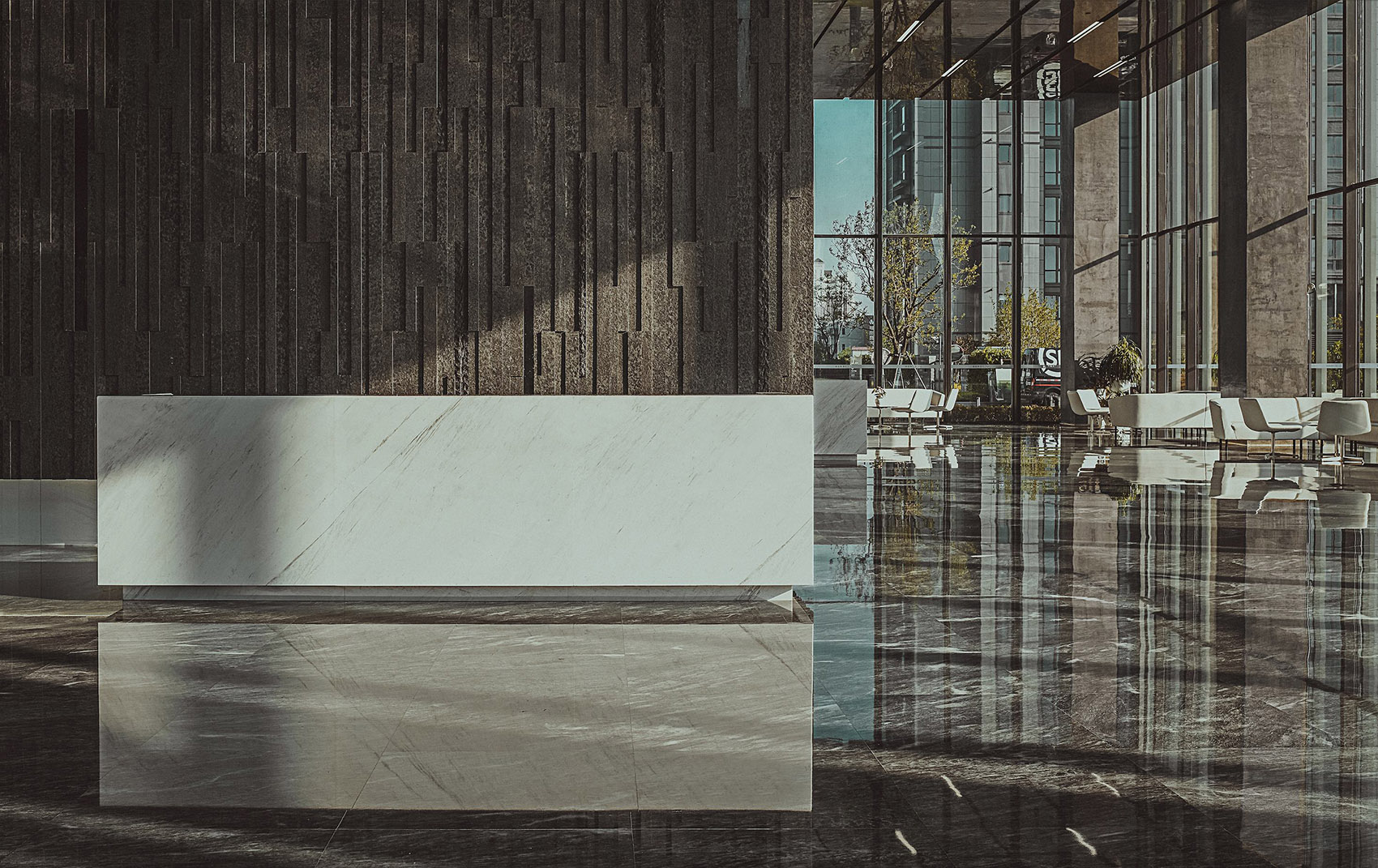
Interior Design Balikpapan | From Destinations to Living Environments
Hospitality design is changing. Interior Design Balikpapan
In 2026, hotels, resorts, and lifestyle destinations are no longer designed simply as places for temporary stays. They are evolving into immersive living environments—spaces where people work remotely, socialize, recharge, connect with others, and experience emotional wellbeing.
The boundaries between hospitality, residential, workplace, and lifestyle spaces are becoming increasingly fluid.
At our firm, we see this transformation not as a trend, but as a cultural shift. Today’s hospitality environments must feel more human, flexible, and emotionally intelligent. Guests are no longer searching only for luxury; they are searching for belonging, comfort, authenticity, and meaningful experiences.
In Balikpapan, this evolution feels especially relevant. As the city continues to grow through energy-sector investment, business travel, and the expanding influence of IKN development, hospitality expectations are changing rapidly. Travelers now seek environments that balance professionalism with warmth, efficiency with atmosphere, and functionality with emotional connection.
This is where interior Design Balikpapan becomes more than aesthetics—it becomes the shaping of experience-driven living ecosystems.
The Shift from Destination to Living Environment
Traditional hospitality focused on accommodation.
Modern hospitality focuses on experience.
Hotels today are becoming:
- Social gathering hubs
- Flexible coworking environments
- Wellness-oriented retreats
- Cultural destinations
- Lifestyle ecosystems
Guests no longer separate work, leisure, and social interaction in the same way. A traveler may begin the morning with remote work in a lounge café, transition into social meetings during the afternoon, and end the evening in a wellness-focused environment.
This shift requires hospitality spaces to feel adaptable, immersive, and deeply human-centered.
In interior Design Balikpapan, this means creating environments that support multiple layers of experience without losing clarity or comfort.
Hospitality Design in the Experience Economy
Luxury is no longer defined solely by scale or ornamentation.
Today’s travelers value:
- Emotional connection
- Authenticity
- Personalized experiences
- Atmosphere and storytelling
- Sensory comfort
This is the rise of the experience economy.
Hospitality design now focuses less on visual spectacle and more on how people feel within a space. Lighting, scent, acoustics, materiality, and emotional pacing all contribute to guest memory and perception.
A well-designed hospitality environment should feel intuitive—hangat, santai, dan terasa hidup.
This emotional layer is becoming central to successful interior Design Balikpapan projects, especially as business and leisure travel increasingly overlap.
The Blurring of Hospitality, Residential & Workplace Design
One of the most important changes in hospitality design is the merging of typologies.
Hotels now borrow warmth from residential design.
Workplaces borrow flexibility from hospitality.
Residential spaces integrate hotel-like experiences.
This crossover can be seen through:
- Lounge-inspired coworking spaces
- Branded residences with hospitality amenities
- Multifunctional public areas
- Lifestyle-driven mixed-use developments
In Balikpapan, where urban development is becoming increasingly lifestyle-oriented, hospitality spaces must support not only travelers but also local social culture and community interaction.
This layered approach creates environments that feel alive throughout the day—not static or transactional.
Designing for Wellness & Human Connection
Hospitality today is deeply connected to wellbeing.
Guests seek environments that help them:
- Relax mentally
- Disconnect from stress
- Feel emotionally restored
- Connect socially in meaningful ways
This is why wellness-focused design has become essential.
Our approach integrates:
- Biophilic design principles
- Natural light and ventilation
- Tactile, calming materials
- Acoustic comfort
- Greenery and sensory softness
In tropical environments like Balikpapan, indoor-outdoor transitions and natural airflow become especially important. Open terraces, shaded lounges, and breathable layouts create spaces that feel naturally restorative.
The future of hospitality is not just luxurious—it is emotionally supportive.
Technology & the Future Guest Experience
Technology is reshaping hospitality, but human experience must remain at the center.
Smart systems and AI-driven personalization now influence:
- Guest check-in experiences
- Lighting and climate control
- Room customization
- Data-informed operational efficiency
However, technology should never feel cold or impersonal.
The most successful hospitality spaces balance seamless digital integration with warmth, comfort, and human-centered interaction.
In interior Design Balikpapan, technology works best when it quietly enhances convenience while preserving emotional connection and hospitality authenticity.
Designing Hospitality Spaces in Balikpapan
Balikpapan offers a unique hospitality landscape shaped by:
- Corporate and energy-sector travel
- Emerging lifestyle tourism
- Tropical climate conditions
- Expanding urban infrastructure
This creates opportunities for hospitality environments that combine:
- Business efficiency
- Resort-inspired relaxation
- Community-oriented social spaces
- Nature-connected experiences
Design strategies often include:
- Indoor-outdoor transitions
- Humidity-responsive materials
- Tropical landscaping integration
- Flexible social and work lounges
- Warm, understated luxury palettes
Compared to denser metropolitan cities, Balikpapan allows hospitality design to feel more spacious, breathable, and grounded in nature.
Our Hospitality Design Approach
At our firm, hospitality design begins with human experience.
Our methodology includes:
1. Concept Strategy
Defining the emotional narrative and positioning of the space.
2. Guest Journey Mapping
Understanding movement, interaction, and experience sequencing.
3. Spatial Planning
Balancing operational flow with immersive atmosphere.
4. Material & Lighting Curation
Creating tactile, emotionally resonant environments.
5. Operational Understanding
Ensuring design supports hospitality performance and efficiency.
6. Execution & Styling
Refining every detail to achieve a cohesive guest experience.
Every hospitality project is designed not only to function—but to leave a lasting emotional impression.
Our Perspective
We believe the future of hospitality is about creating living environments, not simply destinations.
The most memorable spaces today are those where:
- Lifestyle and function coexist naturally
- Wellness and social connection are prioritized
- Technology supports human comfort
- Cultural relevance shapes authenticity
At our firm, we create hospitality environments that feel timeless, immersive, and emotionally intelligent.
This is our vision for interior Design Balikpapan—spaces where people do not simply stay, but truly experience.
Rethink the Future of Hospitality in Balikpapan
Hospitality is no longer about temporary occupancy alone.
It is about creating environments where people feel connected, restored, and inspired.
If you are developing a hotel, mixed-use project, lifestyle destination, or hospitality brand in Balikpapan, our firm is ready to help shape an experience-led future.
Let’s create hospitality environments that go beyond destinations—spaces designed for living, belonging, and meaningful human experience.
Connect with us in


